
 You’ve decided it’s time to do something about your relationship. That’s a big step. But the moment you start researching couples therapy, you hit a wall of options—EFT, CBT, Gottman Method, Imago, narrative therapy, solution-focused… and suddenly you’re wondering if choosing the wrong approach is worse than not going at all.
If you’re a Sacramento-area professional who researches everything before committing (as you should), the overwhelm makes sense. You want to know you’re not wasting time. You want to know if the therapist can actually work with two people in the room. And you want a path that doesn’t feel like endless “processing” without real change—because you already have a full-time job, a life, maybe kids, and very little patience for guesswork.
Here’s what we want you to know: the best couples therapy is the one that’s research-based and fits what’s actually happening in your relationship. Not every approach works the same way. And not every therapist—even a good one—is trained to do couples work well.
At The Relationship Therapy Center, couples therapy and marriage counseling is what we do best. It makes up about half of our practice. We’re not generalists who occasionally see couples between individual clients—we’ve built our entire team around helping relationships heal.
Whether you’re a dual-income couple juggling careers near the State Capitol or balancing family life across the Sacramento suburbs, this post will help you understand what makes couples therapy effective—and how to choose the right approach and the right therapist.
What Is the Most Successful Type of Couples Therapy?
 The most successful couples therapy is research-based, structured, and skill-building—not just talk therapy. Effective approaches use assessment to identify what’s actually happening in your relationship, then teach practical tools you can use at home. The Gottman Method stands out for its depth and decades of research demonstrating a link to measurable improvements in relationship satisfaction.
Not all therapy is created equal. Some approaches are backed by decades of peer-reviewed research. Others are more rooted in clinical intuition and “what feels right in the moment.” Intuition can be helpful—but when your relationship is on the line, most couples want more than a vibe. They want evidence.
So what does “research-based” actually mean? It means an approach has been studied in controlled settings and shown to produce measurable outcomes: improved relationship satisfaction, better conflict management, stronger emotional connection, and greater stability over time.
Several evidence-based approaches exist, including Emotionally Focused Therapy (EFT) and behavioral couples therapy. But the Gottman Method is distinctive in its breadth. It doesn’t just focus on conflict or emotions in isolation—it addresses:
- friendship and emotional connection
- conflict management and repair
- and shared meaning (the “why” behind your life together)
We’re partial to the Gottman Method for a practical reason: most couples aren’t looking for vague insight. They’re looking for a clear map and tools they can use on a Tuesday night when they’re exhausted, and the same argument is trying to start its usual routine.
What to look for in an effective couples therapy approach:
- Backed by peer-reviewed research, not just theory
- Uses a structured assessment—not guesswork—to guide treatment
- Teaches concrete skills you can practice between sessions
- Addresses both conflict patterns and emotional connection
- Has specific protocols for complex issues like infidelity or trust repair
What Is the Gottman Method of Couples Therapy?
 The Gottman Method is a research-based approach built on the Sound Relationship House—a framework describing the components healthy relationships need: friendship, positive connection, effective conflict management, shared meaning, and the trust/commitment that holds them together. It uses assessment to identify strengths and gaps, then applies structured interventions to build change.
The Sound Relationship House is one of the reasons the Gottman Method feels so grounded for couples. It gives language to what many people sense but can’t quite name: We don’t just need to fight less—we need to feel like friends again. We need trust. We need a way back to “us.”
Here’s the house in a conversational way—not a textbook list:
It starts with friendship.
Healthy relationships aren’t built on constant romance—they’re built on knowing each other’s worlds. Gottman calls this Love Maps: what’s stressing your partner out right now, what they’re looking forward to, what they’re worried about, what they need.
Friendship also includes fondness and admiration—the ability to still access respect and appreciation, even when you’re annoyed. And it includes turning toward those little moments when your partner reaches out (a comment, a sigh, a question, a look), and you respond rather than ignore it.
Then it builds to conflict skills.
Not “never fight.” Instead, how do you manage disagreements without damage? Can you use a gentle startup? Can you repair after conflict? Can you avoid the patterns that poison relationships over time?
And it grows into meaning.
Can you support each other’s life dreams? Can you create rituals, values, and purpose that make your relationship feel like more than a shared calendar?
All of this is held together by trust and commitment—the sense that your partner has your back and that your relationship is something you protect, not something you gamble with.
This framework didn’t come from theory. It came from observing thousands of real couples in the Gottmans’ research lab and tracking what predicted long-term success versus divorce.
At RTC, we don’t use the Gottman Method casually—it’s the core of how we train our entire team. Nancy, our clinical director and the only Certified Gottman Method Therapist in Sacramento, personally mentors every couples therapist on staff through video review, role-play practice, and ongoing consultation.
That matters because many therapists who call themselves “Gottman-trained” attended a weekend workshop and learned a handful of techniques. Our team has access to 52+ research-based interventions—and the supervision to know when and how to use them.
The Sound Relationship House—9 Components of a Healthy Relationship
- Build Love Maps (know your partner’s inner world)
- Share Fondness & Admiration (express appreciation)
- Turn Toward Instead of Away (respond to bids for connection)
- The Positive Perspective (give the benefit of the doubt)
- Manage Conflict (navigate disagreements without damage)
- Make Life Dreams Come True (support each other’s aspirations)
- Create Shared Meaning (build purpose and values together)
- Trust (believe your partner has your best interests at heart)
- Commitment (cherish your partner and the relationship)
So what does this actually look like when you walk through our door?
How Does Marriage Counseling Start?
 At the Relationship Therapy Center, couples therapy typically begins with a comprehensive assessment process. About 90% of our couples complete the Gottman Assessment, which evaluates friendship, conflict patterns, and shared meaning. This gives you and your therapist a clear roadmap—so you’re not wasting sessions guessing what the real issues are.
Imagine going to a doctor with real symptoms, and they say, “Let’s just chat weekly and see what happens.” You’d want tests. You’d want data. You’d want a plan.
Couples therapy should work the same way.
That’s why our work typically starts with an assessment. For about 90% of couples, this includes:
- Questionnaires are completed individually by each partner.
- An Oral History Interview, where your therapist listens to how you tell the story of your relationship (research shows this storytelling style predicts relationship outcomes)
- Results that create a Friendship Profile, Conflict Profile, and Shared Meaning Profile
Then your therapist builds a treatment plan based on what your relationship actually needs—not a one-size-fits-all approach.
And then the real work begins: experiential, in-session skill building. You won’t just talk about problems. You’ll practice new ways of communicating, managing conflict, and reconnecting—right there in the room, with your therapist guiding you.
This is what Nancy means when she says couples want “a clear map and tools they can use at home.”
We also recognize that some couples can’t do weekly sessions. For busy professionals, RTC offers intensive formats (including weekend intensives) so you can make real progress without stretching it out for months.
And yes—this matters in Sacramento. We see professionals who barely have time for lunch, let alone a weekly appointment: surgeons at Dignity Health, attorneys downtown near the Capitol, dual-career families racing between school pickups and evening commitments. An assessment-first approach means we don’t waste a single session.
What If We’ve Already Tried Couples Therapy and It Didn’t Work?
 If past couples therapy felt like expensive venting or “talking in circles,” you’re not starting over—you’re starting smarter. Not all couples therapy is the same. Common problems include a lack of assessment, treating couples like “individual therapy x2,” using only a few techniques, or failing to manage the in-room dynamics. A structured, skill-based approach can be a different experience.
This is incredibly common. We hear some version of “you’re our third couples therapist” more than you’d think.
And if you’re carrying disappointment or skepticism, it makes sense. When therapy doesn’t work, couples often assume the conclusion is: “We’re the problem.”
Often, the truth is: the approach wasn’t built for what you needed.
Here are the most common reasons previous couples therapy doesn’t help:
- The therapist was trained in individual therapy and treated couples work like “individual therapy x2.”
- They taught basics (like “I statements”), but couldn’t help you break the real cycle
- There was no structured assessment, so sessions were based on guessing
- The therapist knew only a handful of interventions and kept recycling them
- They unintentionally took sides or couldn’t manage two-person dynamics in real time
Here’s what’s different about a Gottman-certified approach:
- Assessment gives a data-driven map of what’s working and what’s stuck
- 52+ interventions means your therapist can pivot instead of repeating the same tools
- Nancy provides expert backup through supervision and session review
- The approach is experiential—you practice skills in session, not just talk about the problem
Having a bad therapy experience is discouraging. But it doesn’t mean your relationship can’t be helped. It may just mean you haven’t found the right approach yet.
If past therapy left you unsure whether couples therapy can help at all, <u>”when should a couple go to marriage counseling”</u> covers what to look for.
A previous therapist not being the right fit doesn’t mean your marriage can’t be helped. It means you need someone with deeper training—and that’s exactly what we’ve built our practice around.
Does Couples Therapy Have Homework?
 Yes—and that’s a good sign. Couples therapy doesn’t just happen in the office. Real change shows up at home during stressful weeknights and busy weekends. Between-session practice helps couples build new habits that stick. It’s not about worksheets for the sake of it—it’s about practicing the skills that create lasting change.
If you’re hoping couples therapy is a once-a-week emotional oil change, and then the relationship magically runs smoothly… I get it. We’d all love that.
But effective couples therapy includes practice between sessions—because that’s where new habits form.
“Homework” usually doesn’t mean worksheets. It means learning specific practices like:
- A 20-minute Stress-Reducing Conversation (listening to each other’s outside stress—without fixing)
- Practicing a Gentle Startup when bringing up a concern
- Making intentional bids for connection throughout the week
- Using the free Gottman Card Decks app (22 decks, 1,000+ prompts for friendship, date nights, needs, intimacy, conflict repair)
Between-session work is where couples start to feel the shift. Our approach is experiential—you practice skills in session and then take them home. It’s not about analyzing your childhood for months. It’s about building new patterns now.
We love getting emails from couples months later saying, “We handled a conflict on our own using what we learned.” That’s the goal: skills that last.
Practical tip: Download the free Gottman Card Decks app this week. Start with the Love Maps deck—you might be surprised by what you don’t know about your partner’s current inner world.
Can I Learn the Gottman Method on My Own?
 Yes—you can absolutely start learning Gottman principles on your own, and we encourage it. Books and apps can build awareness and spark helpful changes. But there’s a meaningful difference between understanding skills intellectually and using them under stress. A trained therapist helps you practice in real time, especially when emotions run high.
If your instinct is, “Let me read the book first,” that tells me something important: you’re motivated. And motivation is a strong predictor of success.
Self-study resources that are genuinely helpful:
- The Seven Principles for Making Marriage Work (foundational)
- What Makes Love Last (especially helpful for trust and betrayal)
- The Gottman Card Decks app (free, 22 decks, 1,000+ prompts)
- The Gottman Institute blog and workshops
Self-study helps with:
- building awareness
- learning the language of healthy relationships
- starting small practices (Love Maps check-ins, stress-reducing conversations)
Where self-study hits limits:
- When you’re stuck in a negative cycle, it’s hard to be both participant and observer
- Couples often can’t see their own patterns clearly
- A therapist trained to watch for flooding, the Four Horsemen, and failed repair attempts catches things you both miss
- Certain issues (infidelity recovery, deep trust injuries, gridlocked conflict) need a guided structure to stay safe and productive
The difference between knowing what a Gentle Startup is and actually using one when your partner just spiked your blood pressure? That’s where in-session practice changes everything.
Think of it like tennis: you can watch tutorials and improve your backhand. But if you want to change a deeply ingrained swing, a coach watching you in real time makes all the difference.
Read the books. Download the app. Start the conversations. And if you find yourselves stuck—or if you want to go deeper, faster—that’s exactly what we’re here for.
What Is a Red Flag in Couples Therapy?
 Red flags include a therapist who takes sides, offers sessions with no direction, skips assessment, relies on a couple of basic techniques, or treats it like “individual therapy x2.” Couples therapy requires specialized skill. If your therapist seems to be winging it, lacks a treatment plan, or can’t manage the in-room dynamics, that’s a problem.
A bad couples therapy experience can make things worse—not better. So yes, you’re allowed to be discerning.
Specific red flags to watch for:
- The therapist consistently takes sides or allies with one partner
- Sessions feel like venting without direction
- No assessment, no plan, no structure
- The therapist only teaches a couple of techniques (only “I statements,” only reflective listening)
- The therapist treats it like “individual therapy times two” instead of treating the relationship as the client
Why this matters: couples therapy requires a different skill set than individual therapy. Managing dynamics in real time—knowing when to intervene, how to de-escalate, how to help two nervous systems settle enough to learn—that takes specialized training and ongoing supervision.
This is why training depth matters:
- Gottman-informed = took an online class or weekend workshop
- Gottman-trained = completed Level 1, 2, or 3 training
- Gottman-certified = rigorous certification process, demonstrated mastery, ongoing education
At RTC, every couple’s therapist is supervised through video recording of sessions. Nancy provides timestamped feedback—pausing at specific moments to discuss what happened and how to improve. That level of quality control is extremely rare.
Questions to ask a potential couples therapist:
- What specific training do you have in couples therapy? (Not just individual therapy credentials)
- What approach or method do you use?
- Do you use an assessment to guide treatment?
- How do you handle it when one partner feels blamed?
- Do you receive ongoing supervision for your couples work?
How Do I Find a Good Couples Therapist?
 Look for a therapist with specialized couples training in a research-based method, not a generalist who “also sees couples.” Ask how much of their caseload is couples work, whether they use assessment, and whether they receive ongoing supervision. Fit matters too—you should both feel safe, heard, and guided in the first session.
Finding a good couples therapist is a little like hiring a specialist. You wouldn’t choose a surgeon because they’re “good with people.” You’d want training, experience, and a method.
Practical steps:
- Look for specific couples therapy training (Gottman, EFT, etc.)
- Ask how much of their caseload is couples work
- Ask whether they use a structured assessment
- Ask about ongoing supervision/consultation
- Trust your gut: you should both feel heard and safe
Also, your friend’s therapist may be excellent for individual therapy. That does not automatically translate to couples therapy. Two-person work is its own craft.
The certification difference matters. If someone says they’re Gottman-trained, ask what level. If someone says they specialize in couples, ask how they maintain and sharpen their skills.
At The Relationship Therapy Center, couples therapy makes up about half of our practice. Every couple’s therapist is personally mentored by a Certified Gottman Therapist. We don’t just hire clinicians and hope for the best—we invest in ongoing training because we know it directly impacts the couples sitting in our offices.
We also carefully match you with the right therapist during intake—because fit matters as much as credentials.
If you’re in the Sacramento area, we’d love to talk with you. Our Roseville office is just off Highway 65 near the Galleria, and our Fair Oaks office is right off Sunrise Boulevard near Highway 50—both easy to get to after work. We also offer telehealth throughout California for couples who prefer to connect from home.
Find the Right Couples Therapist in the Sacramento Area
 Choosing a couples therapist is one of the most important decisions you’ll make for your relationship. You deserve someone trained specifically for couples work—someone with assessment, structure, and skill, not guesswork. RTC offers a trained, supervised team with Gottman-based expertise, 52+ interventions, and a clear roadmap for real change.
Choosing a couples therapist is one of the most important decisions you’ll make for your relationship. You deserve someone trained specifically for the complexity of working with two people—someone who won’t wing it, won’t take sides, and won’t rely on the same two techniques session after session.
At The Relationship Therapy Center, our team is built around couples work. Every therapist is mentored by the only Certified Gottman Method Therapist in Sacramento, with access to 52+ interventions and a data-driven assessment process that takes the guesswork out of treatment.
Whether you’re researching your options for the first time or you’ve tried therapy before and it didn’t work, we’re here to help you find a different path forward.
Here’s how to get started:
- Contact us to schedule a consultation
- We’ll match you with the right therapist for your relationship
- Begin building skills that create lasting change
Other Services Offered at The Relationship Therapy Center in California:
In addition to couples counseling, Our Sacramento area counseling clinics located in Roseville and Fair Oaks, CA are pleased to offer a variety of mental health services. Our couples counseling services include: Counseling after infidelity, sex therapy, co-parent counseling, family therapy, divorce counseling, couples therapy retreats, and premarital counseling. Our individual therapy services include, anxiety treatment, trauma therapy, teen therapy, therapy for children, codependency counseling, depression treatment, and individual relationship counseling. We also offer online counseling to California residents. Please contact our office to learn more about the many ways we can help you and your loved ones.
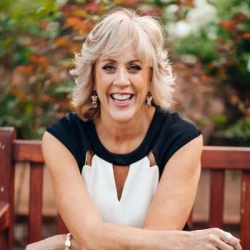
Certified Gottman Therapist
Nancy Ryan, LMFT & Certified Gottman Therapist, is the Founder and Clinical Director of Relationship Therapy Center, with 15+ years of experience supporting clients in Sacramento, Placer, and El Dorado Counties, and with offices in Roseville, CA, and Fair Oaks, CA. Our team also supports clients throughout California, Idaho, and Washington
She specializes in couples counseling, mentoring, and training her therapists on how to be excellent therapists. Nancy is also featured in a variety of media and provides couples therapy weekend workshops and retreats.
Relationship Therapy Center uses evidence-based approaches such as EMDR for trauma, Cognitive Behavioral Therapy (CBT), Acceptance and Commitment Therapy (ACT), Dialectical Behavior Therapy (DBT), Mindfulness, and Motivational Interviewing to treat individuals. Family therapy focuses on family systems and Play Therapy for children. Evidence-based couples therapy includes using the Gottman Method, Gottman Method Affair recovery/infidelity counseling, Emotionally Focused Therapy (EFT), Attachment therapy, and David Schnarch's Crucible Therapy, including differentiation. The whole team is in weekly training on trauma-informed care, somatic techniques, sex therapy, and different topics each year.
- Can Couples Therapy Help if We’re Not Sure We Want to Stay Together? - March 5, 2026
- Can a Marriage Counselor Save a Marriage? - February 26, 2026
- Is Our Communication Bad Enough for Therapy? - February 19, 2026