
 If you’ve found yourself Googling this question, you’re probably not just curious—you’re worried. Something feels different. Maybe it’s the way you talk to each other lately, or how small frustrations now land like personal attacks. Maybe you notice that respect—once easy to access—feels harder to hold onto, especially when you’re tired, stressed, or juggling everything life demands.
Here’s what decades of research—and our experience with couples throughout the Sacramento area- show about why marriages actually fail, and what you can do about it.
What Is the Single Biggest Predictor of Divorce?
If we had to name one thing that shows up again and again when relationships break down, it’s this: contempt.
 Not just frustration. Not even anger. Contempt is the moment respect slips into disgust. It’s the eye-roll that says, “You’re ridiculous.” The sarcasm that’s not playful—it’s sharp. The tone that communicates, “I’m above you.” It can show up as mocking, name-calling, sneering, or treating your partner like they’re “less than.”
In decades of Gottman research studying real couples over time, contempt stands out as the single strongest predictor of divorce. It’s also one of the “Four Horsemen”—four communication patterns that predict relationship failure with over 90% accuracy when they become chronic and unmanaged.
The other three horsemen matter too:
- Criticism (attacking character instead of behavior)
- Defensiveness (refusing responsibility, counterattacking)
- Stonewalling (shutting down, withdrawing)
But contempt is the most corrosive because it doesn’t just express dissatisfaction—it communicates disrespect. And when respect erodes, emotional safety goes with it. Repair becomes harder. Vulnerability feels riskier. Even kindness can start to feel suspicious, like, “What do you want?”
Here’s the important part: contempt doesn’t mean your marriage is doomed. It means your relationship needs attention—and there are specific, learnable skills that help couples turn this around.
Signs contempt may be present:
- Eye-rolling or dismissive body language during disagreements
- Sarcasm or mocking that’s meant to sting
- Name-calling or belittling comments
- A sense of superiority (“I would never do that” or “What’s wrong with you?”)
- Feeling like—or treating—your partner as “less than”
But contempt doesn’t appear out of nowhere. It usually builds over time, alongside other patterns that chip away at respect.
Why Do People Think Marriages Fail—And Are They Wrong?
 When most people talk about why marriages end, they point to things like lack of commitment, constant fighting, growing apart, or infidelity. And they’re not wrong—those are real factors.
But here’s the twist most couples don’t see until they’re deep in it: those are often symptoms, not root causes.
A lot of marriages don’t end because couples face problems. They end because the relationship stopped feeling like a safe, respectful partnership—the kind where you can bring your worries, admit mistakes, and trust that your partner is still fundamentally on your side.
Common reasons people cite:
- Communication problems
- Money conflict
- Infidelity
- “Falling out of love.”
- Different parenting styles
- Stress from work and schedules
All of those matter. But underneath many of them is the same core breakdown: the couple loses their sense of “we.”
When you no longer feel like a team, everything becomes personal:
- Criticism replaces requests
- Defensiveness blocks accountability
- Stonewalling shuts down connection
- Contempt kills the warmth that makes repair possible
And once those patterns start stacking, couples often slide into a negative cycle that feels impossible to stop. One partner reaches (awkwardly, imperfectly), the other partner reacts defensively, someone shuts down, and then the first person escalates. Over time, both people stop showing their softer parts because it doesn’t feel safe.
Even infidelity can fit into this bigger picture (without excusing it). Betrayal is devastating—and recovery work must address it directly. But in many couples, infidelity is also a symptom of deeper disconnection, loneliness, or long-standing relational injuries that existed before the affair. That’s why affair recovery often includes rebuilding friendship, repair skills, and the ability to talk about pain without attacking each other.
If you’re noticing any of these patterns, it may be worth exploring “when should a couple go to marriage counseling“—often earlier than most people think.
Can a Marriage Recover Once Respect Has Started to Slip?
 Yes.
Yes.
Contempt and chronic conflict don’t mean you’re doomed—they mean your relationship needs support and structure. And with the right approach, these patterns are often very workable.
This is one reason the Gottman Method is so effective: it isn’t just “talk about your feelings and hope for the best.” It’s a research-based framework with specific antidotes to each of the Four Horsemen.
For contempt, the antidote is to build (or rebuild) a culture of fondness and admiration.
That doesn’t mean forcing positivity or pretending everything is fine. It means intentionally restoring something the relationship needs in order to survive: respect. It’s learning how to notice what’s still good, name it out loud, and practice appreciation in a way that feels genuine—not cheesy, not fake, not performative.
It’s also about learning how to fight better. Because the goal isn’t “never fight.” The goal is: can you repair?
Repair attempts matter enormously. Research shows it’s not whether couples have conflict—it’s whether they can come back afterward. Can you calm down, reconnect, and say some version of:
- “That came out wrong.”
- “I’m sorry.”
- “Can we try again?”
- “I get why that hurt.”
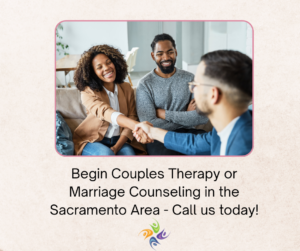 At The Relationship Therapy Center, we help couples identify exactly which patterns are causing damage and learn the specific skills to change them. Our team has access to 52+ research-based interventions—not just the 2–3 techniques most therapists learn in a weekend workshop.
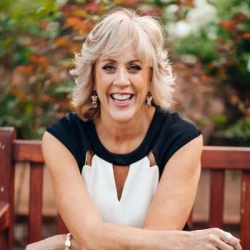
Nancy, our clinical director and the only Certified Gottman Method Therapist in Sacramento, personally trains and supervises every couples therapist on staff. That means when you work with anyone at RTC, you’re benefiting from that depth of training—not generic advice.
A simple self-check
- When we’re upset, do we still treat each other with basic respect?
- Do we have repair moments—or do we just pile on more hurt?
- Are we fighting about the issue, or attacking the person?
If respect has started to slip, that’s not a moral failure. It’s a signal that your relationship could benefit from couples therapy and marriage counseling.
Begin Couples Therapy or Marriage Counseling in the Sacramento Area
Recognizing these patterns in your own relationship can feel heavy—but it’s also the first step toward something different.
At The Relationship Therapy Center, we specialize in helping couples break free from the cycles that erode connection. With offices in Roseville and Fair Oaks, we’ve worked with Sacramento-area couples at every stage—from those just noticing the distance to those who’ve been stuck for years.
If you’re ready to learn a different way, we’re here.
Reach out today to schedule a consultation and take the first step toward rebuilding respect, connection, and the relationship you want.
Other Services Offered at The Relationship Therapy Center in California:
In addition to couples counseling, Our Sacramento area counseling clinics located in Roseville and Fair Oaks, CA are pleased to offer a variety of mental health services. Our couples counseling services include: Counseling after infidelity, sex therapy, co-parent counseling, family therapy, divorce counseling, couples therapy retreats, and premarital counseling. Our individual therapy services include, anxiety treatment, trauma therapy, teen therapy, therapy for children, codependency counseling, depression treatment, and individual relationship counseling. We also offer online counseling to California residents. Please contact our office to learn more about the many ways we can help you and your loved ones.
Certified Gottman Therapist
Nancy Ryan, LMFT & Certified Gottman Therapist, is the Founder and Clinical Director of Relationship Therapy Center, with 15+ years of experience supporting clients in Sacramento, Placer, and El Dorado Counties, and with offices in Roseville, CA, and Fair Oaks, CA. Our team also supports clients throughout California, Idaho, and Washington
She specializes in couples counseling, mentoring, and training her therapists on how to be excellent therapists. Nancy is also featured in a variety of media and provides couples therapy weekend workshops and retreats.
Relationship Therapy Center uses evidence-based approaches such as EMDR for trauma, Cognitive Behavioral Therapy (CBT), Acceptance and Commitment Therapy (ACT), Dialectical Behavior Therapy (DBT), Mindfulness, and Motivational Interviewing to treat individuals. Family therapy focuses on family systems and Play Therapy for children. Evidence-based couples therapy includes using the Gottman Method, Gottman Method Affair recovery/infidelity counseling, Emotionally Focused Therapy (EFT), Attachment therapy, and David Schnarch's Crucible Therapy, including differentiation. The whole team is in weekly training on trauma-informed care, somatic techniques, sex therapy, and different topics each year.
- Can a Marriage Counselor Save a Marriage? - February 26, 2026
- Is Our Communication Bad Enough for Therapy? - February 19, 2026
- What are Examples of Trauma? - February 12, 2026