
Are you always shouting and reacting? Does it feel like you are interacting less and overreacting more? Want to be a better communicator?
Communication can be tough for many of us, especially when our emotions are involved.
What gets in the way of good communication?
Communication is often complicated because the way we do it varies depending on our different perspectives; the unique nature of our relationships, our pasts, the circumstances, our communication styles, as well as our emotional needs. Besides, a lot of this happens under the surface, in split seconds, without us even noticing.
Learning to be a more effective, respectful and compassionate communicator might be one of the best investments you make in yourself, your relationship and your career.
Finding ways to tune into your own needs and issues while using proven communication tools is vital. We all want to be heard and understood and we can do this at the same time as engaging and influencing the people in your life.
So, instead of unproductive disagreements and misunderstandings, consider using these communication tools:
How to be an active listener
Communication goes both ways; you can’t be a good communicator by insisting on being the only one who speaks. A happy medium of give and take in a conversation is crucial.
Finding a way to really tune takes respect and self-control. You must wait to get your point across and calm your mind from agreeing or disagreeing as you listen. It also honors the other person’s point of view and their right to speak without being dismissed, interrupted or shut down.
However, watch out, active listening is not quietly waiting to talk or simply hearing the other person’s words. It goes a step further to ensure you understand the message they are trying to impart.
Active listening involves trying to get the message of what they have to say, asking questions for clarity (not debate), summarizing what you think they mean, and asking if you have it correct. It takes understanding the other person before you move on to your own message.
Focus on your nonverbal communication
I am sure you have had the experience of asking someone what’s going on and getting a firm “nothing” with arms crossed and gritted teeth. That is not congruent. What you don’t say is just as essential as what you do, so it’s important that your actions match your words. When it is your turn to speak watch your volume, your body language and your facial expressions.
Try to establish rapport and connection with your body. Lean in, look at the person speak in an interested, open manner with a relaxed bod. Nod in understanding when it is your turn to listen.
Avoid rolling your eyes and closing down your body.. These gestures communicate disrespect, disinterest, or even contempt. Communication is meant to connect not create distance. Signal that you are willing to be fully present and engaged mentally and physically.
Take responsibility for your reactions
Great communicators are responsive rather than reactive. Take ownership over of the way you behave and reply to others. Even though it can be difficult, don’t allow someone else’s differing, defensive, or divisive position to determine your ability to communicate well.
You get to own your responses and your reactions. By practicing self-control and mindful awareness, you can slow down the temptation to react without thinking. If you’re feeling overwhelmed or attacked, it’s okay to take a step back from the interaction and take some time to cool down. Then, reconvene when you feel emotionally grounded and able to hear and share effectively.
Be clear and concise
It is also important to ask for what you want after being heard. When you state your needs, it’s crucial to be as direct as possible. Do your best to leave little room for interpretation so that the other person thoroughly understands your meaning. If you’re having a difficult conversation, it can be intimidating to state your needs with this much vulnerability, but it’s worthwhile to keep trying.
Agree with the feelings, if not the perceived facts
You don’t have to agree with everything that’s presented to you in a conversation. Conflict happens. You and your friend, sibling, parent, spouse, coworker, etc. won’t always see eye to eye. That is expected and ok. Instead of agreeing with the facts (or fighting about them), try relating to the feelings.
For instance, you don’t have to endorse their conclusions, but you should try to understand the feelings that lead to them. Try to find something in their perspective to validate; something that you could understand why they might feel that way.
Opinions don’t have to be agreed upon, but normal, human feelings can provide common ground.
Communication is vital for a happier, more connected life.
If you aren’t confident communicating with others, it may be time to learn more skills. Reach out to a therapist who can help you uncover communication weaknesses, provide you with new tools, and support you as you build on your strengths.
Begin Couples Counseling in the Sacramento Area:
If you are ready to learn how to deal with the problems in your relationship, the therapists at The Relationship Therapy Center in Fair Oaks, CA and Roseville, CA can help! Our therapists are ready to support you and your partner in your journey towards creating a healthy and happy relationship. To begin marriage counseling in Roseville, CA area, or marriage counseling in Fair Oaks, please follow these three simple steps:
- Contact our counseling office to get more information about couples counseling and to schedule a free consultation.
- Make an appointment with one of our Gottman Method trained therapists.
- Find support and healing in your relationship!
Other Services Offered at The Relationship Therapy Center in California:
In addition to couples counseling, Our Sacramento area counseling clinics located in Roseville and Fair Oaks, CA are pleased to offer a variety of mental health services. Our couples counseling services include: Counseling after infidelity, sex therapy, co-parent counseling, family therapy, divorce counseling, couples therapy retreats, and premarital counseling. Our individual therapy services include, anxiety treatment, trauma therapy, teen therapy, therapy for children, codependency counseling, depression treatment, and individual relationship counseling. We also offer online counseling to California residents. Please contact our office to learn more about the many ways we can help you and your loved ones.
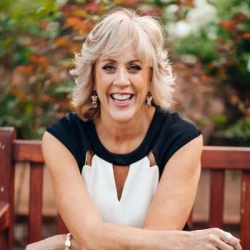
Certified Gottman Therapist
Nancy Ryan, LMFT & Certified Gottman Therapist, is the Founder and Clinical Director of Relationship Therapy Center, with 15+ years of experience supporting clients in Sacramento, Placer, and El Dorado Counties, and with offices in Roseville, CA, and Fair Oaks, CA. Our team also supports clients throughout California, Idaho, and Washington
She specializes in couples counseling, mentoring, and training her therapists on how to be excellent therapists. Nancy is also featured in a variety of media and provides couples therapy weekend workshops and retreats.
Relationship Therapy Center uses evidence-based approaches such as EMDR for trauma, Cognitive Behavioral Therapy (CBT), Acceptance and Commitment Therapy (ACT), Dialectical Behavior Therapy (DBT), Mindfulness, and Motivational Interviewing to treat individuals. Family therapy focuses on family systems and Play Therapy for children. Evidence-based couples therapy includes using the Gottman Method, Gottman Method Affair recovery/infidelity counseling, Emotionally Focused Therapy (EFT), Attachment therapy, and David Schnarch's Crucible Therapy, including differentiation. The whole team is in weekly training on trauma-informed care, somatic techniques, sex therapy, and different topics each year.
- How Do You Release Trauma Stored in Your Body? - March 12, 2026
- Can Couples Therapy Help if We’re Not Sure We Want to Stay Together? - March 5, 2026
- Can a Marriage Counselor Save a Marriage? - February 26, 2026