
Blog

Couples Counseling for Long Distance Relationships
What have we all heard about long distance relationships?
They don’t work.
Of course, this isn’t always true.
Long-distance relationships can work; they just have some unique challenges you need to be aware of.
If you’re loving your partner from afar, here are four major reasons why couples counseling is exactly what you need to keep your union strong.

What Is Brainspotting — and How Is It Different from EMDR?
When people start researching trauma therapy, two names often rise to the top: EMDR and Brainspotting. Both are used to help people process painful experiences in ways that go beyond regular talk therapy, but they are not the same. They work differently, feel different in session, and may fit different kinds of trauma. If you are in Roseville, Fair Oaks, or the greater Sacramento area and trying to understand your options, this guide will walk you through both in plain language.

Thinking About a Couples Therapy Intensive? Here Is How to Compare Your Options
Couples therapy intensives are becoming increasingly popular throughout Sacramento and Northern California, but not all intensives are created equal. Learn what makes a couples therapy intensive truly effective, why structure and specialization matter, and how to determine whether an intensive is the right next step for your relationship.

What Actually Happens in Trauma Therapy?
If you’ve been thinking about starting trauma therapy, there’s a good chance the biggest question in your mind is not just what happens in trauma therapy. It’s something deeper: Will this be okay? Will I be able to handle it? Will I be pushed to talk about things I’m not ready to touch?
Those are real questions. And honestly, they should be taken seriously.
A lot of people put off getting help, not because they do not want healing, but because they do not know what they are walking into. Maybe you tried therapy before, and it stayed on the surface. Maybe you opened up once and felt worse afterward. Maybe the idea of “processing trauma” sounds helpful in theory, but terrifying in practice.
This post is here to give you a straight answer. Not a polished pitch. Not vague therapy language.

Navigating Life with an ADHD Spouse
Navigating life with an ADHD spouse can feel overwhelming. Learn how ADHD affects marriage, communication, emotional regulation, and household responsibilities—and how couples therapy can help.

Teenage Relationship Counseling
Here’s a question for you: if you dated as a teenager, what was that experience like?
What relationship beliefs did you have?
What behaviors did you put up with, and how did you act within that relationship?
Now picture this. How would your teenage dating experience have been different if a therapist had helped you process that experience?
What behaviors would you have learned right then and there that are unacceptable? What would you have stopped tolerating then, rather than spending decades living with heartache and dysfunction?
Unfortunately, most of us can’t go back in time and rectify our mistakes, but we can do better for our kids. Getting your teenager relationship counseling is one of the best things you can do to ensure they have a healthy understanding of what love entails.
Here’s everything you need to know about relationship counseling for teens.
What Does Unresolved Trauma Look Like in Adults?
You’re not falling apart. You’re managing — work, relationships, the daily grind. But something feels off. Maybe you react more intensely than a situation seems to call for. Maybe you feel far away from the people you love, even when you’re right next to them. Maybe you’ve been carrying something for a long time, and you’ve never quite had the words for it.
At The Relationship Therapy Center, we work with people across Roseville, Fair Oaks, and the Sacramento area who feel exactly like this. And one of the most common things we hear is: “I’m not sure what I went through was bad enough to be called trauma.” If that resonates, this post is for you.
Here’s what we’ve learned: trauma doesn’t always announce itself. More often than not, it quietly shapes the way you see yourself, the way you respond to conflict, and the quality of your closest relationships. Our work in trauma therapy often starts with exactly this question: could what I’m carrying actually be trauma?

How Do I Know If What I Went Through “Counts” as Trauma?
You’ve probably had some version of this thought: “Other people have been through so much worse. I don’t have any right to call what happened to me trauma.” It’s something we hear often from adults across Roseville, Fair Oaks, and the Sacramento area. And ironically, it’s often the people who hesitate the most who are carrying the most.
This post will help you understand what qualifies as trauma, how it shows up in everyday life, and why exploring trauma therapy can bring clarity to patterns you may have never connected before.

A Couple’s Retreat Could Save Your Marriage
You found out he was having an affair by accident. He was in the shower, and you’d gone into the bathroom to get sunscreen from the medicine cabinet. Right as you were closing the cabinet door, his phone, which he’d placed face up on the counter by the sink, buzzed to life.
The text simply read “Can’t wait for Saturday” followed by a peach emoji, a tongue, a rocket launch emoji, and a heart.
The contact was labeled “M Gym.”
You stood there, listening to the hiss of the shower, shaking as the blood rushed to your head. It felt like you were falling into yourself while simultaneously being hurled forward on a surge of adrenaline.

What Happens If Trauma Goes Untreated?
For many adults, the plan is to keep going. Stay productive. Show up for work. Take care of everyone else. Push through what hurts and hope it fades with time. That approach is understandable, and for a while, it may even seem to work. Many people living with unresolved trauma are not falling apart. They are functioning.
The problem is that functioning is not always the same as healing.
Over time, the patterns that helped someone survive can begin to affect their emotions, relationships, health, and sense of self in ways that are easy to miss at first. This post is not meant to scare you. It is meant to offer honest clarity about what happens if trauma goes untreated, so you can better understand what may be happening beneath the surface. If you are looking for support, our trauma therapy services help adults across Roseville, Fair Oaks, and the greater Sacramento area begin healing at a pace that feels manageable.

How to Rebuild a Marriage After Infidelity
He came clean and admitted to the affair, a literal punch in the gut. Your whole perception of reality feels warped. You’re not sure what was real, and your emotions are zipping all over the place.
Your friends, bless them, are trying to be there for you, but most of them are urging you to leave.
You’re not sure what you want.
He wants to save the relationship, but you’re just so confused. One moment you feel so close to him and hopeful about your future together, and the next you’re positively seething with anger. Actually, it’s bigger than anger. It’s rage.
If this is you, please understand. After an affair, it’s completely normal to have no idea what to do. It’s totally normal to feel cast adrift in a world of chaotic confusion.
If you’d like to save the relationship, or if you’re still unsure but think you want to stay married, here’s what you need to do:

What Is Trauma — and Could It Be Affecting You?
Feeling Fine… But Something’s Off – Is it Trauma?
You’re not falling apart. You’re managing — work, relationships, the daily grind. But something feels off. Maybe you react more intensely than a situation seems to call for. Maybe you feel far away from the people you love, even when you’re right next to them. Maybe you’ve been carrying something for a long time, and you’ve never quite had the words for it.
At The Relationship Therapy Center, we work with people across Roseville, Fair Oaks, and the Sacramento area who feel exactly like this. And one of the most common things we hear is: “I’m not sure what I went through was bad enough to be called trauma.” If that resonates, this post is for you.
Here’s what we’ve learned: trauma doesn’t always announce itself. More often than not, it quietly shapes the way you see yourself, the way you respond to conflict, and the quality of your closest relationships. Our work in trauma therapy often starts with exactly this question: could what I’m carrying actually be trauma?
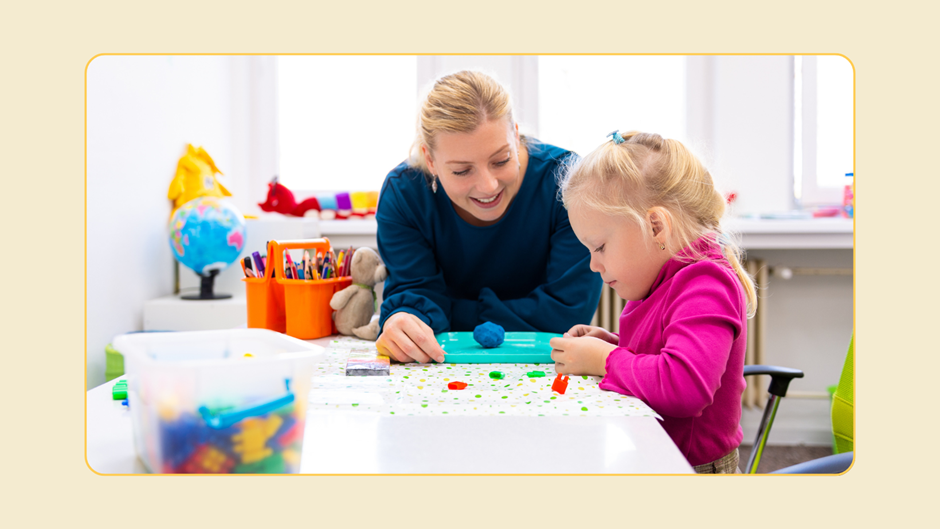
Therapy for Children with Big Emotions
As much as people like to romanticize childhood and paint it as this magical time, it can also be scary. For the most part, children have little control over the course of their lives.
Really, the only defense a child has is their emotions, and when you’re little, it’s easy to view the way you feel as fact. It’s so easy to yield to the power of the big feeling.
When a child wants something, the disappointment of being told ‘no’ is real. It can easily morph into a big, explosive emotional outburst.
When parents go out for a date night and leave their child behind, the fear and worry that something could happen to their parents is real. So, naturally, that can also result in an outburst.
Some children have a tougher time than others with big emotions. If your child is anxious or has frequent meltdowns and tantrums, here’s what you need to know.
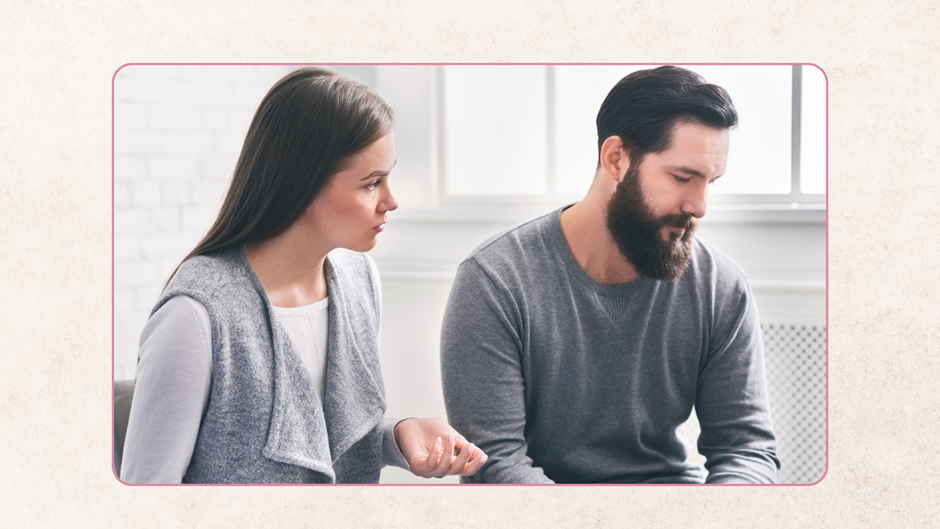
What to Work on in Couples Therapy
So you’ve decided to look into couples therapy. Maybe your partner suggested it. Maybe you’ve been quietly Googling on your own. Either way, there’s one thought that keeps coming up: What would we even work on?
It’s a fair question—and one we hear a lot from couples across the Sacramento area who are considering couples therapy and marriage counseling for the first time. If you’re curious about what actually happens in couples therapy, here’s the truth: you don’t have to walk in with a perfect list of problems. A skilled therapist helps you figure out what to focus on—and often, the real issues aren’t what you’d expect.

What Causes Teen Self-Esteem Issues?
Despite being tone deaf, she was the kid at the elementary school Christmas concert who belted out ‘Silent Night’ with all the confidence in the world.
She was the kid who tore around the playground, head high and shoulders back. She wasn’t the fastest or the most agile, but it didn’t matter. She was having fun.
Now? Her shoulders slouch. She’s painfully self-critical. She’s become hyper-focused on appearance and weight.
Of course, this affects you. Watching your child struggle is one of the most painful things a parent can endure.
Luckily, when it comes to self-confidence snags and other stressors in teens, there are ways you can help. Here are some of the common culprits that lurk behind self-esteem issues in teens, and some tips to help them navigate.
Reach out to start your healing journey today