
Blog
Therapist for Childhood Emotional Neglect
Childhood emotional neglect can leave lasting effects that follow us into adulthood, often without our realizing it. Difficulty identifying emotions, low self-esteem, people-pleasing, and relationship struggles may all be connected to unmet emotional needs during childhood. Discover how recognizing these patterns, practicing self-compassion, and seeking individual therapy can help you heal, reconnect with yourself, and build healthier relationships.

How do I Know if I Have Postpartum Depression?
It’s supposed to be the happiest time of your life, yet you can’t stop crying. You look at your newborn, a little chubby-cheeked cherub fast asleep in his bassinet, and feel a vast chasm of sadness.
You’re so disconnected from everyone and everything. All you want to do is sleep. You keep wondering, what’s wrong with me?
Then comes the judgment: You start admonishing yourself for not being over the moon, like everyone expects you to be.
Studies indicate roughly 10 to 15% of women experience postpartum depression after giving birth. This post goes over what makes postpartum different from the “baby blues,” and offers insight into what you can do to feel better.

Is It a Midlife Crisis?
Society likes to poke fun at the concept of a midlife crisis. We all know the stereotype: middle-aged man divorces wife of 25 years, buys a convertible, and shamelessly humiliates himself at bars by approaching women half his age.
Yet far from being made up, research estimates up to 26% of people aged 40 to 60 experience a crisis around midlife.
If you feel like your world has suddenly turned upside down, this may be what’s happening to you. Here, we’ll uncover what a midlife crisis looks like, why it happens, and how you can get help.

Therapy for Toxic Relationships
When it’s good, it’s good. He’s attentive, present, and apologizes profusely for whatever
happened before. Sweet relief washes over you. You connect so deeply you’re on cloud nine.
When it’s bad, he’s yelling at you, balled fists clenched at his side. He accuses you of cheating. He calls you all sorts of names, then cuts off your access to credit cards and disappears for two days.
If this cycle sounds familiar, it’s imperative you seek help.

The Survival Guide for ADHD Couples
You suspected he had ADHD for years. The chronic leg jiggling, label peeling, and overall inability to sit still were part of what gave it away. But really, it was his inattention, the “are you even listening?!” that inspired you to set up the appointment for him to get diagnosed.
Now that your suspicions are confirmed, your husband does indeed have ADHD, you find yourself in another predicament: what happens next?

What Should I Look For in a Couples Therapist Who Does Virtual Sessions?
When you’re looking for a couple’s counselor who offers virtual sessions, it’s imperative that you do your due diligence first to ensure you find the right fit.
Here’s everything you need to know when looking for couples counseling online in CA.
Emotional Bonding for Couples and Families
Imagine how much easier your life would have been if, at a young age, you were taught about emotions and how to manage them.
Child and teen therapy in Sacramento teaches youngsters this — and a whole lot more.
If you’re wondering whether therapy is appropriate for your child, here are 11 reasons why therapy is so beneficial:
Anxiety Over Current Events? Here’s How to Cope
Imagine how much easier your life would have been if, at a young age, you were taught about emotions and how to manage them.
Child and teen therapy in Sacramento teaches youngsters this — and a whole lot more.
If you’re wondering whether therapy is appropriate for your child, here are 11 reasons why therapy is so beneficial:

How to Support your Child or Teen With Mental Health
Imagine how much easier your life would have been if, at a young age, you were taught about emotions and how to manage them.
Child and teen therapy in Sacramento teaches youngsters this — and a whole lot more.
If you’re wondering whether therapy is appropriate for your child, here are 11 reasons why therapy is so beneficial:

When Intimacy Fades: How Couples Therapy Can Help Rebuild Connection
If there is anything worse than a sexless marriage, it’s talking about it with a stranger. At least, that’s how the prospect of addressing it with a therapist can feel. Many couples seek couples therapy to regain their intimate connection.
Yet just dismissing your non-existent sex life and going on with your life could be the nail in the coffin of your relationship. A marriage devoid of intimacy is a symptom of all sorts of things, and it’s important that it gets fixed.
If you and your partner have sex less than ten times a year, you are in what is known as a sexless marriage. Here, we’ll discuss how this happens, why it’s so detrimental, and what you can do to ‘get busy’ once again.

What are the Benefits of Therapy for Couples in Sacramento?
Healthy relationships take work, and the benefits of therapy for couples comes from providing the tools to strengthen communication, rebuild trust, deepen intimacy, and navigate life’s challenges together. Discover how therapy can help your relationship thrive.
Therapy for Generational Trauma
The effects of generational trauma can influence relationships, emotional well-being, and family dynamics for years—but the cycle can be broken. Discover how trauma therapy helps you understand inherited patterns, build healthier coping skills, and create a brighter future for yourself and the generations that follow.
If you think back 100 years (which really isn’t that long ago!), our ancestors had it rough!
Survival required hard work, marital rape was not prosecuted, and many rights and protections we have in place today were largely nonexistent.
Therapy as we know it wasn’t a thing. Many people suppressed their emotions, suffering in silence, and only let dysfunction spill out behind closed doors.
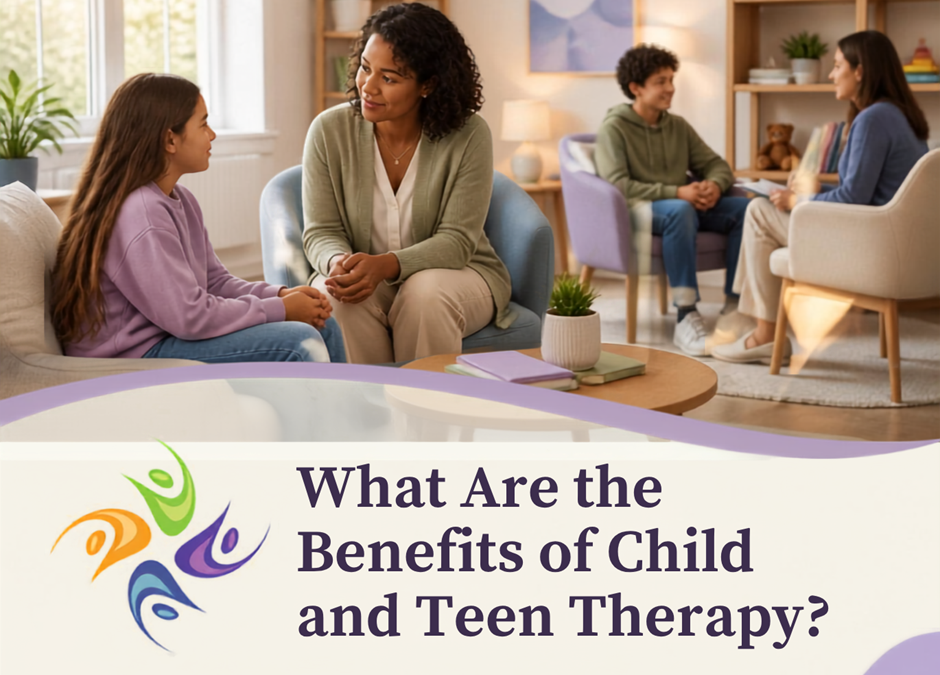
What are the Benefits of Child and Teen Therapy in Sacramento?
Imagine how much easier your life would have been if, at a young age, you were taught about emotions and how to manage them.
Child and teen therapy in Sacramento teaches youngsters this — and a whole lot more.
If you’re wondering whether therapy is appropriate for your child, here are 11 reasons why therapy is so beneficial:

What Types of Therapy are Available for Families in California?
A lingering misconception about family therapy is that it is only for families with severe issues: Mom is gripped with crippling anxiety and depression, unable to function. Or, Dad’s cheating has rocked the foundation of the marriage so badly that it’s in danger of toppling over.
The truth is, therapy can help families in multiple ways. And yes, of course, it does help with those colossal issues that threaten to tear the family unit apart. But it can also strengthen families that are functioning well overall, but need a little help navigating certain issues.
In a nutshell, family therapy teaches people to coexist in a healthy, cohesive way, leading to better resiliency and a more peaceful and pleasant dynamic overall.
Here are six common types of family therapy available in California.

Christian Counseling
It’s not uncommon for people to approach their pastor with all sorts of issues, including marital woes. In fact, a wonderful aspect of being part of a congregation is the level of support available.
Yet, with deep-seated marital issues or marital problems that keep popping up, one of the downfalls of relying on a pastor’s counsel could be their lack of psychological training to be a couple’s therapist.
Or it could be that you’re embarrassed or otherwise hesitant to open up to your pastor and share what’s going on.
If you’re grappling with something, your relationship is on a shaky foundation, and you aren’t sure traditional therapy will help, Christian counseling could be the answer you’re looking for.
Here are some of the top reasons to seek a faith-based counselor who can help repair your marriage.
Reach out to start your healing journey today