
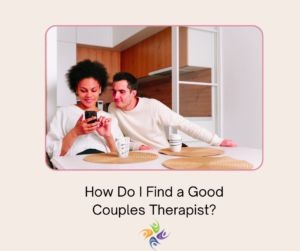
 You’ve decided to try couples therapy—but now you’re staring at a list of names with no idea how to tell the difference between them. In California alone, there are thousands of licensed therapists who list “couples” as a specialty. But not all couples therapists are created equal.
At The Relationship Therapy Center, we hear this all the time: “You’re our third couples therapist.” The first two taught “I statements”—and they’re still fighting. If that’s been your experience (or your fear), you’re not being picky. You’re being smart. Finding the right therapist matters, and this guide will help you know what to look for—without needing a PhD in therapy acronyms.
What Credentials Should I Look for in a Marriage Counselor?
In California, LMFTs, LCSWs, LPCCs, and psychologists can legally provide couples therapy. All require graduate education, supervised clinical hours, and licensing exams. But credentials are only the baseline. The real question is whether the therapist specializes in couples and has advanced couples-specific training, because many programs include little to no couples work.
Expanded
Let’s start with the basics: licensure matters. In California, several types of licensed professionals can legally provide couples therapy:
- LMFT (Licensed Marriage and Family Therapist): Graduate degree in marriage and family therapy, 3,000+ hours of supervised experience, and a state licensing exam. The credential literally has Marriage and Family in the name—these clinicians are trained with relational work in mind.
- LCSW (Licensed Clinical Social Worker): Graduate degree in social work, supervised clinical hours, and a state licensing exam. Many LCSWs do excellent couples work—especially with couples-specific training.
- LPCC (Licensed Professional Clinical Counselor): Graduate degree in counseling, supervised hours, and state licensing exam. Same note: look for additional couples specialization.
- Licensed Psychologist (PhD/PsyD): Doctoral degree, extensive supervised training, and state licensing exam.
Here’s the key: Any of these licenses can legally treat couples. That does not mean the therapist is specifically trained in couples dynamics. Graduate programs may include only one couples course—or none at all. And couples therapy is not “individual therapy with two people on a couch.”
So the real question becomes: What training do they have beyond their license?
What RTC therapists bring
At The Relationship Therapy Center:
- All couples therapists are licensed California professionals, primarily LMFTs/LPCCs (or associates accumulating their hours under supervision)
- Beyond licensure, they have Gottman Method training (minimum Level 1; most complete Level 2).
- They receive ongoing supervision and consultation with a Certified Gottman Therapist.
- Nancy Ryan, M.A., LMFT, is the only Certified Gottman Method Therapist in the Sacramento area, the highest level of Gottman training, which requires demonstrated mastery and ongoing education. She leads the clinical team with guidance, training, and supervision.
That’s the difference between “can legally see couples” and “specifically trained to help couples.”
How Do I Know If a Couple’s Therapist Is Actually Qualified?
Look beyond the license. A truly qualified couples therapist uses an evidence-based method, treats the relationship as the client (not two individuals), and has ongoing supervision or consultation. Ask what approach they use, how much of their caseload is couples, and what their training involved. One weekend workshop isn’t specialization—practice and feedback are.
Expanded
The best way to find a qualified couples therapist is to stop asking, “Are they licensed?” (important, yes) and start asking, “Are they trained for couples?”
Here are the questions that separate qualified from “lists couples on a website”:
Do they use an evidence-based approach?
Look for specific methods like:
- Gottman Method
- Emotionally Focused Therapy (EFT)
- Other research-backed frameworks
If a therapist can’t name their approach—or only says “eclectic”—that’s a yellow flag. Evidence-based means outcomes have been studied, not just “I’ve been doing this a long time.”
Do they specialize in couples, or is it one of 15 things they list?
Couples therapy requires specialized skills. A therapist who mostly sees individuals and occasionally sees couples may not have the same depth. At RTC, couples work is about 50% of the practice—it’s not a side offering.
Do they have ongoing consultation or supervision?
This matters at any experience level, and it’s essential for newer clinicians. Consultation means they have specialized colleagues to turn to when cases are complex. At RTC, every couple’s therapist has access to ongoing consultation with Nancy and the team.
What did their training actually involve?
This is a big one. Did they attend a lecture and take notes—or did they practice the skills?
Gold standard training includes:
- role-playing interventions
- video review of actual sessions
- feedback from experienced supervisors
At RTC, therapists practice interventions through role-play before using them with clients. Nancy also reviews timestamped session recordings with specific feedback—“What happened there?”—so therapists continuously sharpen their couples skills.
Do they have access to other specialized couples therapists?
Couples’ cases can be complex: affairs, addiction, trauma history, and high conflict. A therapist working in isolation may not have the resources to handle everything. At RTC, therapists consult with each other and have access to 52+ Gottman interventions (most based on the Sound Relationship House).
Red flags
- “I took a couples therapy course in grad school.” (one course isn’t a specialization)
- No named approach or framework
- No ongoing training, supervision, or consultation
- Most of their caseload is individual therapy
Gottman vs. “Regular” Couples Therapy—What’s the Difference?
Gottman therapy is structured, research-based, and skills-focused. It typically includes a comprehensive assessment, a clear treatment plan, and practical tools you practice in session and at home. “Regular” couples therapy often looks like a facilitated conversation without assessment or a roadmap. Couples who felt they “talked but nothing changed” often lacked structure and tools.
Here’s why many couples leave therapy feeling discouraged: they expected change, but got mostly conversation. And conversation can help—if it’s paired with structure and skill-building.
What makes Gottman different
- Research-backed: built on over 40 years of studies involving thousands of couples. The Gottmans can predict divorce with over 90% accuracy based on specific interaction patterns.
- Assessment-driven: most couples complete a comprehensive Gottman assessment, providing the therapist with a detailed map of their strengths and challenges.
- Skill-based: you learn tools—how to fight fair, how to repair, how to stay connected under stress.
- 52+ interventions: a fully trained Gottman therapist has access to dozens of research-based techniques—not just “use I-statements.”
What “regular” couples therapy often looks like
- therapist facilitates conversation between partners
- may not include assessment or a treatment plan
- focus stays on discussing issues rather than building specific skills
- relies on 2–3 basic techniques (active listening, reflective statements)
And that’s often why we hear: “We just talked in circles.”
The levels of Gottman training (important to understand)
- Gottman-Informed: took an online class or read a book
- Gottman-Trained: completed Level 1, 2, or 3 training
- Gottman-Certified: rigorous certification, demonstrated mastery, ongoing education (rare—Nancy is the only one in the Sacramento area)
This matters for outcomes—especially if you’ve tried therapy before and it didn’t help.
How Can We Tell If a Therapist Will Be Neutral and Not Take Sides?
This concern is valid—if one partner feels the therapist is allied with the other, therapy often fails. A skilled couples therapist treats the relationship as the client and balances the room so both partners feel heard. Look for a therapist who names patterns, manages escalation, redirects domination, and validates both perspectives without making one “the problem.”
Fear of bias is one of the biggest reasons reluctant partners refuse therapy. And honestly? It happens. Not always intentionally, but even subtle imbalance—more eye contact with one partner, more empathy in one direction—can break trust.
Why taking sides is such a problem
- The “blamed” partner disengages (or refuses to return)
- The “validated” partner feels temporarily relieved, but nothing changes
- Trust in the process collapses
- Therapy becomes another battleground
This often happens when therapists are trained primarily in individual work—they’re used to being “on the client’s side.” In couples therapy, the relationship is the client.
What good neutrality looks like
- The therapist validates both partners’ experiences—even when they conflict
- They help each person feel heard without making the other wrong
- They redirect when one partner dominates, or the conversation escalates
- They name the dynamic, not the villain: “I notice this pattern…” not “You’re being defensive.”
Questions to ask during a consultation
- “How do you handle it when one partner dominates the conversation?”
- “What’s your approach when we disagree about what happened?”
- “Have you had specific training in managing couples’ dynamics?”
What RTC does differently
- Therapists are trained specifically to manage session dynamics—this is part of their preparation
- Nancy’s mentorship includes reviewing how therapists handle conflict, balance airtime, and maintain neutrality
- The Gottman assessment helps provide an objective picture—less “your word vs. mine,” more shared data
A strong sign you’re with a skilled couples therapist: they can hold space for both of you to feel heard—even when you’re telling completely different stories about the same event.
If this resonates, you might also share our guide on <u>“what type of therapy is best for couples”</u>—it explains what separates effective therapy from everything else.
Does It Matter If the Couples Therapist Is Experienced with Our Specific Issue?
Yes—especially for complex issues like infidelity, addiction, trauma history, high conflict, blended families, or sexual intimacy concerns. A capable couples therapist can address many challenges, but specialized experience changes the quality of care. Ask whether they’ve worked with your issue, what model they use, and how they structure the process.
Sometimes couples assume, “Therapy is therapy.” But certain issues require more than general relationship support—they require a therapist who knows the territory.
When specialization matters most
- Affair recovery: needs a structured process, not just emotional processing. Gottman’s Trust Revival method includes Atonement, Attunement, and Attachment. A therapist unfamiliar with this pacing can accidentally intensify harm.
- Addiction: substance use impacts trust, reliability, and emotional safety. The therapist should understand addiction’s relational effects and how to address it alongside couples work.
- Trauma history: trauma can shape conflict responses, intimacy, and emotional regulation. The therapist should be trauma-informed and work at a pace that doesn’t overwhelm.
- Sexual intimacy concerns: requires comfort, sensitivity, and sometimes specialized training or coordination with sex therapy resources.
- High conflict: some couples need strong de-escalation skills and a therapist who can manage intense sessions.
Questions to ask
- “Have you worked with couples dealing with [our issue]?”
- “What’s your approach to [affair recovery/addiction/etc.]?”
- “Do you have specialized training in this area?”
What RTC offers
- Nancy and the team have specialized training in addiction, affairs, and sex therapy
- The team uses Gottman protocols for specific issues, including Trust Revival for infidelity
- Trauma-informed care is integrated into the practice (EMDR and Brainspotting available)
- The consultation model means therapists have backup when cases are complex
Bottom line: a good fit isn’t just credentials—it’s relevant experience. You’re allowed to ask.
Begin Couples Counseling in the Sacramento Area
Finding the right couples therapist can feel overwhelming, but it doesn’t have to be. With the right questions, you can quickly separate truly trained couples specialists from generalists who occasionally see couples. RTC couples therapy is half the practice, delivered by Gottman-trained clinicians mentored by Sacramento’s only Certified Gottman Therapist, with assessment and ongoing consultation built in.
Finding the right couples therapist can feel overwhelming, but it doesn’t have to be. The questions in this guide can help you separate the truly qualified from the “couples is one of 15 things I do.”
At The Relationship Therapy Center in Fair Oaks, CA, and Roseville, CA, couples therapy and marriage counseling are what we do best—it’s half of our practice. Every couple’s therapist is Gottman-trained, personally mentored by the only Certified Gottman Therapist in the Sacramento area, and supported by ongoing consultation with the team.
To begin marriage counseling in the Sacramento area, follow these three simple steps:
- Contact our counseling office for more information and to schedule a free consultation.
- Make an appointment with one of our Gottman Method trained therapists.
- Find support and healing in your relationship!
The therapists at The Relationship Therapy Center know that finding a good couples therapist isn’t easy—because they’ve seen what happens when couples land with the wrong one. “You’re our third therapist” is something the team hears regularly from couples who tried generic counseling and got nowhere.
That’s why every couple’s therapist at TRTC is Gottman-trained under the direct mentorship of Nancy Ryan, M.A., LMFT—the only Certified Gottman Therapist in the Sacramento area. Training includes video review, role-playing exercises, and ongoing consultation, so every therapist has access to 52+ interventions and a team to consult with on complex cases.
The Relationship Therapy Center serves couples throughout Roseville, Fair Oaks, and the greater Sacramento metro, with telehealth available across California.
Certified Gottman Therapist
Nancy Ryan, LMFT & Certified Gottman Therapist, is the Founder and Clinical Director of Relationship Therapy Center, with 15+ years of experience supporting clients in Sacramento, Placer, and El Dorado Counties, and with offices in Roseville, CA, and Fair Oaks, CA. Our team also supports clients throughout California, Idaho, and Washington
She specializes in couples counseling, mentoring, and training her therapists on how to be excellent therapists. Nancy is also featured in a variety of media and provides couples therapy weekend workshops and retreats.
Relationship Therapy Center uses evidence-based approaches such as EMDR for trauma, Cognitive Behavioral Therapy (CBT), Acceptance and Commitment Therapy (ACT), Dialectical Behavior Therapy (DBT), Mindfulness, and Motivational Interviewing to treat individuals. Family therapy focuses on family systems and Play Therapy for children. Evidence-based couples therapy includes using the Gottman Method, Gottman Method Affair recovery/infidelity counseling, Emotionally Focused Therapy (EFT), Attachment therapy, and David Schnarch's Crucible Therapy, including differentiation. The whole team is in weekly training on trauma-informed care, somatic techniques, sex therapy, and different topics each year.
- Can Couples Therapy Help if We’re Not Sure We Want to Stay Together? - March 5, 2026
- Can a Marriage Counselor Save a Marriage? - February 26, 2026
- Is Our Communication Bad Enough for Therapy? - February 19, 2026