
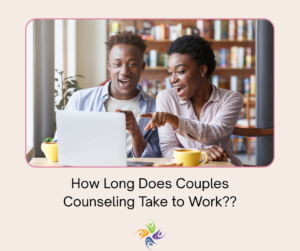
 It’s one of the most common questions we hear from couples in Roseville, Fair Oaks, and across the Sacramento metro: How long is couples counseling going to take? It makes sense. You’re investing time, energy, and money—you want to know when things will start feeling different. If you’ve been curious about what actually happens in couples therapy, one piece of the picture is understanding the timeline. And while every relationship is different, couples therapy and marriage counseling guided by research can give you a much clearer idea of what to expect—and when. (If you haven’t yet, this pairs well with our cornerstone post: What Actually Happens in Couples Therapy?)
What Is the Success Rate of Marriage Counseling?
Research on the Gottman Method—the approach used at The Relationship Therapy Center—shows couples therapy can be highly effective, with many couples reporting significant improvements in relationship satisfaction. But “success” depends on what you’re measuring. For some couples, success means rebuilding a stronger bond. For others, it means reaching a clear, respectful decision about their future.
People ask about “success rate” because they want reassurance that therapy won’t be a waste. That’s a fair question.
The honest answer is: yes, research supports that couples therapy works—especially when it’s evidence-based and delivered by well-trained couples therapists. Not all approaches have the same research backing. The Gottman Method does, which is one reason it’s central to our work at TRTC.
But success isn’t one-size-fits-all. For some couples, success means:
- fighting less destructively
- rebuilding friendship and intimacy
- repairing trust
- feeling like a team again
For other couples, success means something quieter but equally important:
- making a thoughtful, supported decision about whether to stay together
- reducing reactivity and resentment
- improving co-parenting and communication if they separate
What affects success (and timeline) the most
A few factors strongly influence both outcomes and how long the process takes:
- How early you come in. Couples who wait until resentment is deeply entrenched usually face a longer road.
- Both partners’ willingness to engage. You don’t have to feel excited—you do need to show up and try.
- The therapist’s training and supervision. This matters enormously. At RTC, therapists have access to 52+ research-based interventions, as well as ongoing consultation and video review.
- Consistency. Weekly sessions (at least early on) and between-session practice speed things up.
What research and real life suggest about the timeline
Here’s the most practical way to think about it:
- Many couples begin noticing shifts within the first several weeks, especially in how they handle conflict (less escalation, faster repair).
- Deeper changes—rebuilding trust, shifting longstanding patterns, restoring intimacy—often take several months.
- Couples dealing with infidelity or years of accumulated resentment should expect a longer process.
And yes, we often hear a similar theme from couples in our practice: meaningful change tends to become more noticeable around the six-month mark—especially when couples are consistent and practicing skills at home.
What Is a Red Flag in Couples Therapy?
A red flag isn’t having a hard session—hard sessions can be part of real progress. A red flag is when nothing changes over time, and your therapist can’t explain why, or there’s no plan. Watch for lack of assessment, frequent “taking sides,” venting without structure, and repeating the same few techniques without improvement.
Some couples have been to one, two, or even three therapists before finding the right fit. In fact, a common phrase we hear at TRTC is: “You’re our third couples therapist.” That doesn’t mean therapy doesn’t work. It often means the previous approach wasn’t structured enough—or the therapist wasn’t trained specifically in couples dynamics.
Specific red flags to watch for
- No formal assessment. At RTC, about 90% of couples complete the Gottman Assessment, so treatment is data-driven, not guesswork.
- You feel like the therapist is siding with your partner. A skilled couples therapist treats the relationship as the client and holds space for both perspectives.
- Sessions feel like venting with no structure or forward movement.
- You’re not learning skills—just rehashing. “We talked, but nothing changed” is a common sign the approach lacks tools.
- Same 2–3 techniques no matter what’s happening. Couples work requires a full toolkit, not one-size-fits-all advice.
What good therapy should feel like by comparison
You should feel like:
- there’s a plan
- you’re learning tools you can use between sessions
- your therapist understands the dynamic—not just each person’s story
- progress is being tracked and adjusted as needed
And it’s okay to switch. If something feels off, you’re allowed to find a better fit. The right therapist can dramatically affect how quickly—and whether—therapy works.
(If you want a deeper guide, this section pairs well with a post like How Do I Find a Good Couples Therapist?)
Can I Learn the Gottman Method on My Own?
Yes, you can learn Gottman concepts on your own—and many couples benefit from books and tools like the free Gottman Card Decks app. But self-help doesn’t replace therapy because you can’t always see your own patterns clearly from inside the relationship. A trained therapist can identify breakdown points and coach you through them in real time.
If you’re the kind of couple that reads books, listens to podcasts, and tries to “figure it out,” that’s not a weakness. That’s motivation. And we genuinely encourage it—Gottman resources are some of the best out there.
Where self-help works well
Self-study can be powerful for:
- strengthening friendship (Love Maps, appreciation practices)
- creating rituals of connection
- learning the Four Horsemen so you can spot them earlier
- improving day-to-day communication habits
Where self-help hits a wall
The wall usually shows up when:
- patterns are deeply entrenched
- one partner floods and shuts down
- there’s betrayal or significant resentment
- you try the “softened startup” and your partner still gets defensive
- you both know the concepts… but can’t use them in the moment
That’s not because you’re failing. It’s because stress hijacks your nervous system—and because dynamics live between two people, not in one person’s insight.
Why guided therapy often works faster
A trained Gottman therapist doesn’t just teach concepts. They watch you interact, identify exactly where the breakdown happens, and coach you through it in the moment.
And at RTC, that therapist is backed by training, supervision, and a full toolkit—so you’re not stuck with generic advice when your situation is complex.
Best approach? Both. Use self-help tools alongside therapy. The Gottman Card Decks app, for example, is a simple form of between-session support that we often recommend.
How Can Couples Make the Most of Therapy Between Sessions?
The couples who see the fastest results aren’t the ones with the easiest problems—they’re the ones who practice between sessions. What you do in the other 167 hours of the week matters more than the one hour in session. Small, consistent “reps” build new habits: using tools, having hard conversations sooner, and being honest about what’s working.
If you want to speed up your timeline, this is the section that matters most.
Therapy is an hour a week. Your relationship is everything else.
Between-session practices that accelerate progress
- Actually do the homework (even if it feels awkward at first).
- Practice the softened startup when a real issue comes up—don’t save it for the session.
- Use the Gottman Card Decks app for low-pressure connection practice.
- Build small rituals: a 5-minute check-in before bed, a real goodbye in the morning, a weekly date. (Yes, grabbing coffee in downtown Roseville counts. So does walking the trails in Fair Oaks.)
- When conflict happens, try to notice the pattern (who pursues, who withdraws, when defensiveness shows up) instead of only reacting.
- Be honest in session. If you didn’t do the homework, say so. If you tried and it bombed, bring it in. Your therapist needs reality, not the polished version.
Be patient with the process—and with each other
Change isn’t linear. You’ll have great weeks and setbacks. That’s normal.
The couples who stick with it through the awkward early phase are often the ones who look back months later and can’t believe how far they’ve come.
RTC’s goal is simple: “Our goal is that you learn the tools you need and then just come in when you need it.” Between-session practice is how therapy becomes a tune-up instead of a weekly necessity.
Start Couples Therapy Near Highway 50 or Highway 65 in Sacramento
Whether you’re just researching couples therapy or already in it and wondering if progress is “normal,” you deserve an approach that’s structured, research-backed, and actually moving you forward. RTC offers Gottman-based couples therapy with assessment and a clear plan from day one, plus convenient locations in Roseville and Fair Oaks and telehealth across California.
At The Relationship Therapy Center, every couples therapist is trained and supervised by the only Certified Gottman Method Therapist in the Sacramento area. That means your therapy has a clear plan from day one—built on a comprehensive assessment of your specific relationship, not a generic approach.
Our Roseville office is just off Highway 65 and Highway 80, and our Fair Oaks office is near Highway 50 and Sunrise Boulevard—making it easier to fit sessions into a busy schedule. Telehealth is available throughout California.
Here’s how to start:
- Reach out — Call, text, or submit our online form
- Get matched with a couples therapist — We’ll pair you with the right therapist
- See real progress in your relationship — With a research-based plan and tools you can use immediately
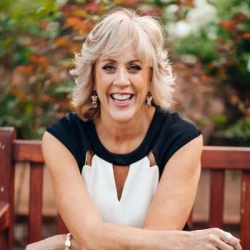
Certified Gottman Therapist
Nancy Ryan, LMFT & Certified Gottman Therapist, is the Founder and Clinical Director of Relationship Therapy Center, with 15+ years of experience supporting clients in Sacramento, Placer, and El Dorado Counties, and with offices in Roseville, CA, and Fair Oaks, CA. Our team also supports clients throughout California, Idaho, and Washington
She specializes in couples counseling, mentoring, and training her therapists on how to be excellent therapists. Nancy is also featured in a variety of media and provides couples therapy weekend workshops and retreats.
Relationship Therapy Center uses evidence-based approaches such as EMDR for trauma, Cognitive Behavioral Therapy (CBT), Acceptance and Commitment Therapy (ACT), Dialectical Behavior Therapy (DBT), Mindfulness, and Motivational Interviewing to treat individuals. Family therapy focuses on family systems and Play Therapy for children. Evidence-based couples therapy includes using the Gottman Method, Gottman Method Affair recovery/infidelity counseling, Emotionally Focused Therapy (EFT), Attachment therapy, and David Schnarch's Crucible Therapy, including differentiation. The whole team is in weekly training on trauma-informed care, somatic techniques, sex therapy, and different topics each year.
- Therapist for Childhood Emotional Neglect - October 8, 2026
- How do I Know if I Have Postpartum Depression? - October 1, 2026
- Is It a Midlife Crisis? - September 24, 2026